Andrew Neil Biography: Age, Wife Susan Nilsson, Net Worth, Career and Life Story

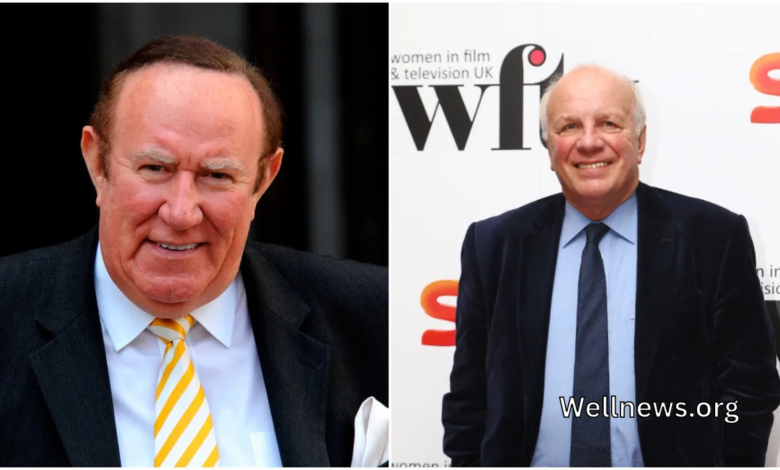
Andrew Neil is a highly respected Scottish journalist, broadcaster and political commentator who has built one of the longest and most recognised careers in British media. Known for his direct interviewing style, detailed political analysis and strong editorial background, he has become a familiar figure to audiences across the United Kingdom. From newspapers to television programmes, Andrew Neil has played an important role in shaping political conversations for several decades.
The career of Andrew Neil represents a journey of determination, intelligence and adaptability. Over the years, he has worked as a newspaper editor, television presenter and media personality, earning recognition for his ability to question politicians and discuss important national issues. His professional achievements, personal life and continued influence have made him a popular subject among readers searching for information about his biography, wife, career and net worth.
Early Life and Background of Andrew Neil
Andrew Neil was born on 21 May 1949 in Paisley, Renfrewshire, Scotland. Growing up in Scotland, he developed an interest in politics, current affairs and writing from an early age. His education at Paisley Grammar School helped build his confidence, while his studies at the University of Glasgow gave him a strong academic foundation that supported his future career in journalism.
During his younger years, Andrew Neil showed curiosity about how society and politics worked. These interests eventually guided him towards journalism, where he could explore important issues and communicate ideas to a wider audience. The story of Andrew Neil young years highlights the importance of education, ambition and a willingness to understand the world around him.
Andrew Neil’s Journalism Career and Professional Success
Andrew Neil began his journalism career in newspapers, where he quickly developed a reputation for his writing skills and understanding of political affairs. His talent and dedication helped him rise through the industry, eventually becoming the editor of The Sunday Times. This position placed him among the most influential figures in British newspaper journalism and allowed him to shape major editorial decisions.
Throughout his career, Andrew Neil journalist achievements have continued to attract attention. He has worked with leading media organisations and built a reputation for thoughtful analysis and challenging interviews. His experience in print journalism gave him a strong foundation before he moved into television broadcasting, where he became known for his ability to hold public figures accountable.
Andrew Neil’s Television Career and Popular Shows
After achieving success in newspapers, Andrew Neil expanded his career into television and became one of Britain’s best-known political presenters. His calm but challenging approach made him a trusted broadcaster for audiences interested in politics, current affairs and national debates. His television career allowed him to reach millions of viewers and strengthen his reputation as a skilled interviewer.
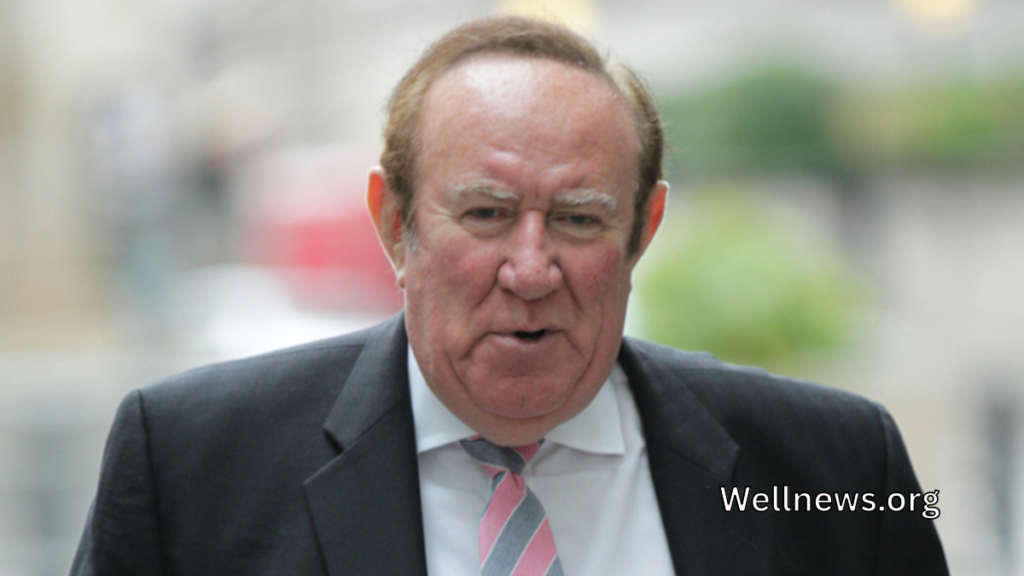
Among the most recognised TV shows with Andrew Neil are This Week and The Andrew Neil Show. These programmes showcased his ability to explore complex political topics through detailed conversations with politicians, experts and commentators. His work with the BBC and Channel 4 demonstrated his versatility as a broadcaster and his ability to adapt to changing media environments.
Andrew Neil and His Famous Political Interviews
One of the biggest reasons Andrew Neil remains a popular search topic is his reputation for conducting challenging political interviews. He is known for researching his guests carefully and asking direct questions that often lead to important discussions. His interview style focuses on facts, policies and accountability, making his programmes engaging for viewers.
The Ben Shapiro Andrew Neil interview became one of his most discussed moments internationally. The conversation attracted significant attention because of the different viewpoints presented and Andrew Neil’s detailed questioning approach. The interview increased global interest in his work and showed why he is considered one of the most experienced political interviewers in modern journalism.
Andrew Neil Latest Work, Podcast and Social Media Presence
Despite having a career spanning many decades, Andrew Neil continues to remain active in journalism and political commentary. His latest work includes writing, interviews and discussions about major events affecting the UK and the wider world. His experience allows him to provide analysis on political developments with a perspective gained from years of reporting and editing.
Many followers keep track of Andrew Neil latest updates through social media platforms and online content. Searches for Andrew Neil Twitter and Andrew Neil X have increased as audiences look for his opinions on current affairs. His podcast projects have also allowed him to explore topics in greater depth, offering listeners longer conversations about politics, economics and international issues.
Andrew Neil Wife Susan Nilsson and Personal Life
Andrew Neil has always maintained a relatively private personal life despite being a well-known public figure. He married Susan Nilsson in 2015, and their relationship has generally remained away from unnecessary media attention. While his professional work often places him in the spotlight, he prefers to focus public discussions on journalism, politics and current events.
Interest in Andrew Neil wife continues because many people want to understand more about the broadcaster outside his professional achievements. However, Andrew Neil has carefully separated his personal and professional worlds. His approach reflects his preference for keeping attention on his work rather than making his private life a major part of his public image.
Andrew Neil Age and Health Information
Born in 1949, Andrew Neil has spent more than five decades working in journalism and broadcasting. His age represents a lifetime of experience in reporting, editing and presenting. Even after many years in the industry, he has continued to contribute to political discussions and media projects, proving his ability to remain relevant in a rapidly changing world.
There has been public curiosity about Andrew Neil illness and health, mainly because of his long career and continued public appearances. However, he has remained active professionally and continues to engage audiences through journalism and commentary. His dedication to his work demonstrates his passion for communication and public debate.
Andrew Neil Net Worth and Sources of Income
Andrew Neil net worth has attracted interest because of his successful career in journalism, broadcasting and media leadership. Over the years, he has earned income through various roles, including newspaper editing, television presenting, publishing and other professional activities. His financial success reflects his long-standing influence within the media industry.
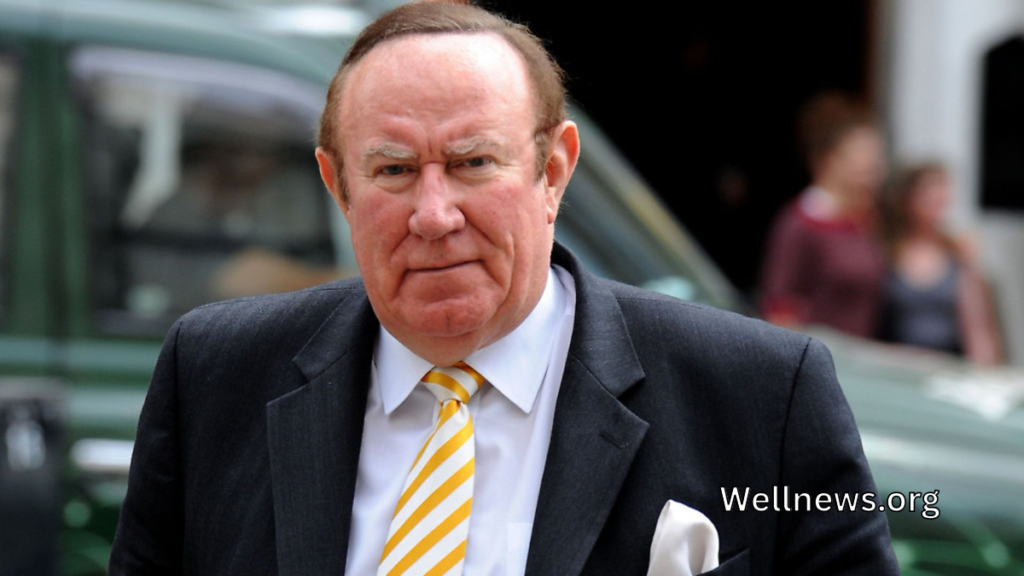
Although exact figures about Andrew Neil net worth can vary depending on different estimates, there is no doubt that his career achievements have created significant professional success. His journey shows how experience, expertise and strong communication skills can lead to recognition and opportunities in journalism.
Andrew Neil’s Influence on British Journalism
Andrew Neil has made a lasting contribution to British journalism through his work across newspapers, television and digital platforms. His approach to interviews and political discussions has influenced many broadcasters and journalists who followed him. He has demonstrated the importance of preparation, research and asking meaningful questions.
The legacy of Andrew Neil is built on decades of reporting, analysis and broadcasting. Whether through newspapers, television programmes or online platforms, he has remained a significant voice in British media. His ability to adapt while maintaining his journalistic standards has helped him remain relevant among modern audiences.
Conclusion
Andrew Neil’s biography is the story of a Scottish journalist who transformed his passion for politics and writing into a remarkable media career. From his early education and newspaper success to his television achievements and digital presence, he has become one of the most recognisable figures in British journalism.
His age, wife Susan Nilsson, career achievements, net worth and broadcasting work continue to attract interest from audiences searching for reliable information. With decades of experience and a reputation for challenging interviews, Andrew Neil remains an influential figure whose impact on British media will continue to be remembered.
FAQs About Andrew Neil
Who is Andrew Neil?
Andrew Neil is a Scottish journalist, broadcaster and former newspaper editor known for political journalism.
How old is Andrew Neil?
Andrew Neil was born on 21 May 1949 and is one of Britain’s most experienced broadcasters.
Who is Andrew Neil’s wife?
Andrew Neil is married to Susan Nilsson, and the couple keeps their personal life private.
What is Andrew Neil net worth?
Andrew Neil’s net worth comes from his long career in journalism, television and media roles.
What TV shows with Andrew Neil are popular?
The Andrew Neil Show and This Week are among his most recognised television programmes.
Is Andrew Neil still working?
Yes, Andrew Neil continues to contribute to journalism, political commentary and media discussions.
Also Read: robbie cummins partner